
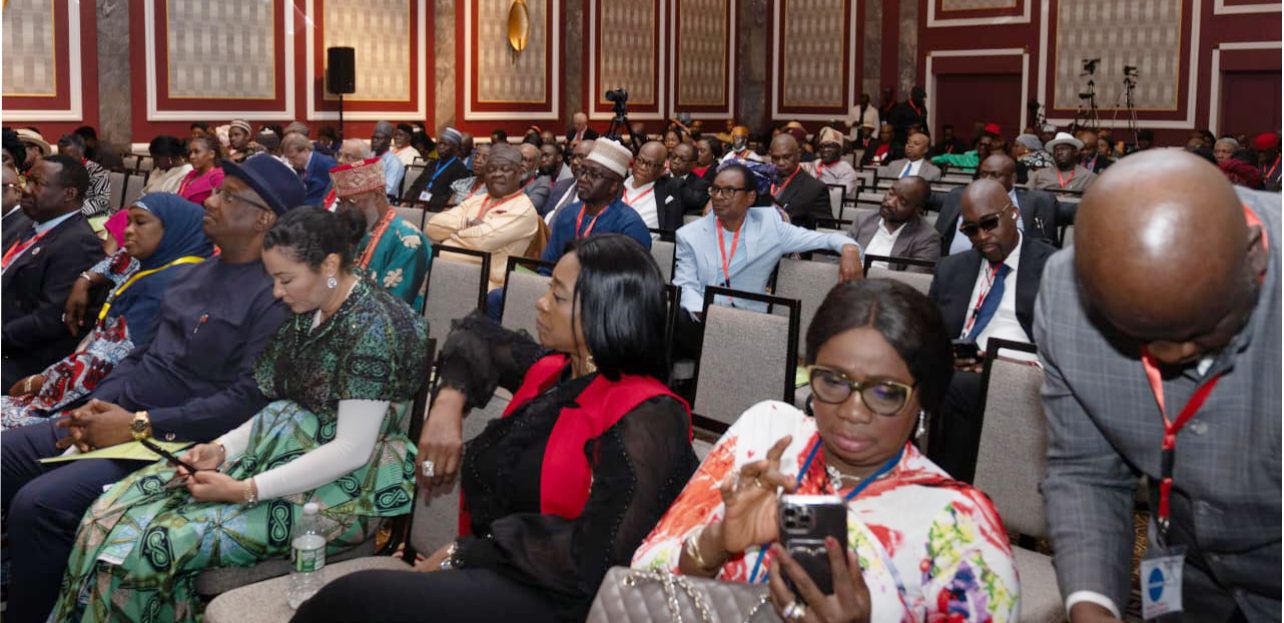
Summit on Economic, Trade, Investment, Technology Incubation, and Cultural Exchange : A UNGA Sideline Event | September 23, 2025 | New York, USA

Welcome to the Summit

Join us for a transformative high-profile summit on the sidelines of the 80th United Nations General Assembly (UNGA) in New York.

Organized by the National Board for Technology Incubation (NBTI), Newday International, and Nigerian Progressive Professionals in the Diaspora, this event is a unique opportunity to connect global investors, policymakers, and innovators to drive sustainable development through investment and collaboration.


Date: September 23, 2025

Time: 10:00 AM – 6:00 PM

Venue: Henry George School of Social Science Auditorium, Manhattan, New York, USA


Why Attend?

This summit is a strategic platform to:

• Explore Investment Opportunities: Engage with Nigeria’s thriving sectors, including cement production, oil and gas, aviation, technology, energy, rail, waterways, power, maritime, and agriculture.
• Foster Technology Incubation: Connect with science and tech incubators to support Nigeria’s innovation ecosystem, home to over 3,360 startups (Africa’s largest).
• Build Partnerships: Network with Nigerian government officials, MDAs, MDGs, and global investors to unlock collaborative ventures.
• Celebrate Culture: Experience vibrant cultural performances by African and American artists, showcasing our shared heritage.


Program Highlights

• Keynote Address: Insights on Nigeria’s investment landscape, focusing on science, technology, and sustainable development.
• Panel Discussions: Expert-led sessions on technology incubation, economic growth, and cross-sector investment opportunities.
• Networking Sessions: Connect with high-net-worth individuals, venture capitalists, and industry leaders.
• Vendor Showcase: Discover innovative products and services from global and Nigerian businesses.
• Cultural Performances: Celebrate the rich heritage of Nigeria and the U.S. through music, dance, and art.


Who Should Attend?

• Investors: Venture capitalists, institutional investors, and high-net-worth individuals interested in Nigeria’s growth sectors.
• Science and Tech Incubators: Organizations fostering innovation in biotech, fintech, agritech, and more.
• Government Officials: Policymakers and MDAs shaping Nigeria’s economic and innovation policies.
• Business Leaders: CEOs, entrepreneurs, and professionals seeking partnerships in Africa’s largest economy.


Advertising Opportunities

Amplify your brand by advertising in our summit brochure, reaching a targeted audience of decision-makers and influencers.

• Inside Front Cover (Color): $5,000
• Full Page (Color): $2,000
• Half Page (Color): $1,000
• Inside Center Spread (Color): $10,000
• Inside Back Cover (Color): $5,000
• Back Cover (Color): $6,000

Deadline: August 20, 2025

Specifications: 8” x 11”

Contact: Tai Balofin at taibalofin@gmail.com or +1 347 536 4384


Sponsorship Opportunities

Become a sponsor to gain speaking opportunities, enhanced brand visibility, and exclusive access to summit attendees.

Contact Olayemi Success at +234 803 400 4960 for details.


Register Now

Secure your spot at this pivotal event shaping U.S.-Nigeria collaboration.


Contact Us

For inquiries, partnerships, or advertising:
• Tai Balofin: taibalofin@gmail.com | +1 347 536 4384 | +234 806 298 2431
• Olayemi Success: +234 803 400 4960


About the Organizers

• National Board for Technology Incubation (NBTI): Nigeria’s leading agency for fostering tech-driven startups and innovation ecosystems.
• Newday International: Publishers of US African Eye, dedicated to promoting African business and cultural exchange.
• Nigerian Progressive Professionals in the Diaspora: A global network advancing Nigeria’s economic and professional development.


Join us on September 23, 2025, to shape the future of investment, innovation, and cultural exchange between the U.S. and Nigeria!


Register Below:

Warning
Warning
Warning
Warning

Warning.

The Impact of the African Continental Free Trade Area (AfCFTA) on Nigeria’s Trade Landscape

 The African Continental Free Trade Area (AfCFTA) is one of the most ambitious trade agreements in recent history, aiming to create a single market for goods and services across 54 African countries. Officially launched in January 2021, AfCFTA is expected to reshape the continent’s trade dynamics and significantly impact the economies of member states, particularly Nigeria, Africa’s largest economy. For Nigeria, the AfCFTA presents both challenges and opportunities, as it navigates this new era of continental integration.

1. AfCFTA: A New Chapter for Intra-African Trade

Before AfCFTA, intra-African trade accounted for only about 15% of Africa’s total trade, a stark contrast to other regions like Europe and Asia, where regional trade is far more significant. The AfCFTA seeks to change this by eliminating tariffs on 90% of goods traded within the continent, reducing non-tariff barriers, and promoting free movement of goods, services, and people.

For Nigeria, this is a game-changer. With a population of over 200 million, Nigeria has the potential to be a major player in intra-African trade, leveraging its diverse economy to supply goods and services to markets across the continent. The AfCFTA opens up access to a market of 1.3 billion people with a combined GDP of over $3 trillion, offering Nigerian businesses unprecedented growth opportunities.

2. Boosting Nigeria’s Manufacturing and Export Potential

One of the key benefits of AfCFTA for Nigeria is the potential to boost its manufacturing sector. Historically, Nigeria has relied heavily on oil exports, which have made up the bulk of its foreign exchange earnings. However, the volatility of global oil prices has underscored the need for economic diversification. The AfCFTA provides a platform for Nigeria to expand its manufacturing base and increase the export of non-oil products.

Opportunities for Investment:

  • Textiles and Apparel: Nigeria’s fashion industry is one of the largest in Africa, and AfCFTA could help it tap into new markets across the continent. Investment in textiles and apparel manufacturing could drive exports and create jobs.
  • Automotive Industry: Nigeria’s automotive assembly plants stand to benefit from reduced tariffs on parts and components, making the production of vehicles more competitive. This could position Nigeria as a hub for automotive manufacturing in West Africa.
  • Processed Goods: With access to larger markets, Nigeria can increase its export of processed agricultural products, reducing its reliance on raw material exports and enhancing value addition.

3. Enhancing Nigeria’s Trade Infrastructure

For Nigeria to fully capitalize on the opportunities presented by AfCFTA, there is a pressing need to improve its trade infrastructure. This includes enhancing ports, transportation networks, and customs procedures to facilitate the smooth movement of goods across borders.

Investment Opportunities:

  • Port Development: Nigeria’s ports are among the busiest in Africa, but congestion and inefficiencies have been long-standing issues. Investment in modernizing port facilities and expanding capacity could significantly improve trade flow.
  • Logistics and Transportation: Efficient transportation is critical to the success of AfCFTA. Investment in road and rail networks, as well as logistics services, can reduce the cost and time of moving goods across the continent.
  • Digital Trade Platforms: The integration of digital technologies in trade processes, such as electronic customs systems and online trade platforms, can enhance transparency and efficiency, making Nigeria more competitive in the AfCFTA market.

4. Navigating the Challenges of AfCFTA Implementation

While AfCFTA presents numerous opportunities, there are also challenges that Nigeria must address. Competition from other African countries could pose a threat to local industries, particularly in sectors where Nigeria may be less competitive. There is also the risk of smuggling and trade diversion if rules of origin are not strictly enforced.

To mitigate these challenges, Nigeria will need to focus on building the capacity of its industries, ensuring compliance with AfCFTA regulations, and promoting the competitiveness of its products. The government’s role in providing supportive policies, facilitating trade, and protecting local industries will be crucial.

5. The Road Ahead: Strategic Positioning for Nigeria

The AfCFTA is a transformative initiative that has the potential to redefine Nigeria’s trade landscape. By opening up new markets, boosting industrialization, and enhancing trade infrastructure, AfCFTA offers Nigeria a unique opportunity to position itself as a leading economic power in Africa. However, realizing this potential will require strategic planning, investment, and a commitment to overcoming the challenges that come with greater market integration.

For global investors, Nigeria’s participation in AfCFTA signals a more integrated and competitive market, offering opportunities in manufacturing, infrastructure, logistics, and more. As the AfCFTA continues to take shape, those who position themselves early will be best placed to benefit from the new trade dynamics emerging across Africa.

In conclusion, AfCFTA is not just a trade agreement; it is a blueprint for Africa’s economic future, with Nigeria poised to play a central role. By embracing the opportunities and addressing the challenges, Nigeria can leverage AfCFTA to drive economic growth, attract investment, and enhance its standing on the global stage.